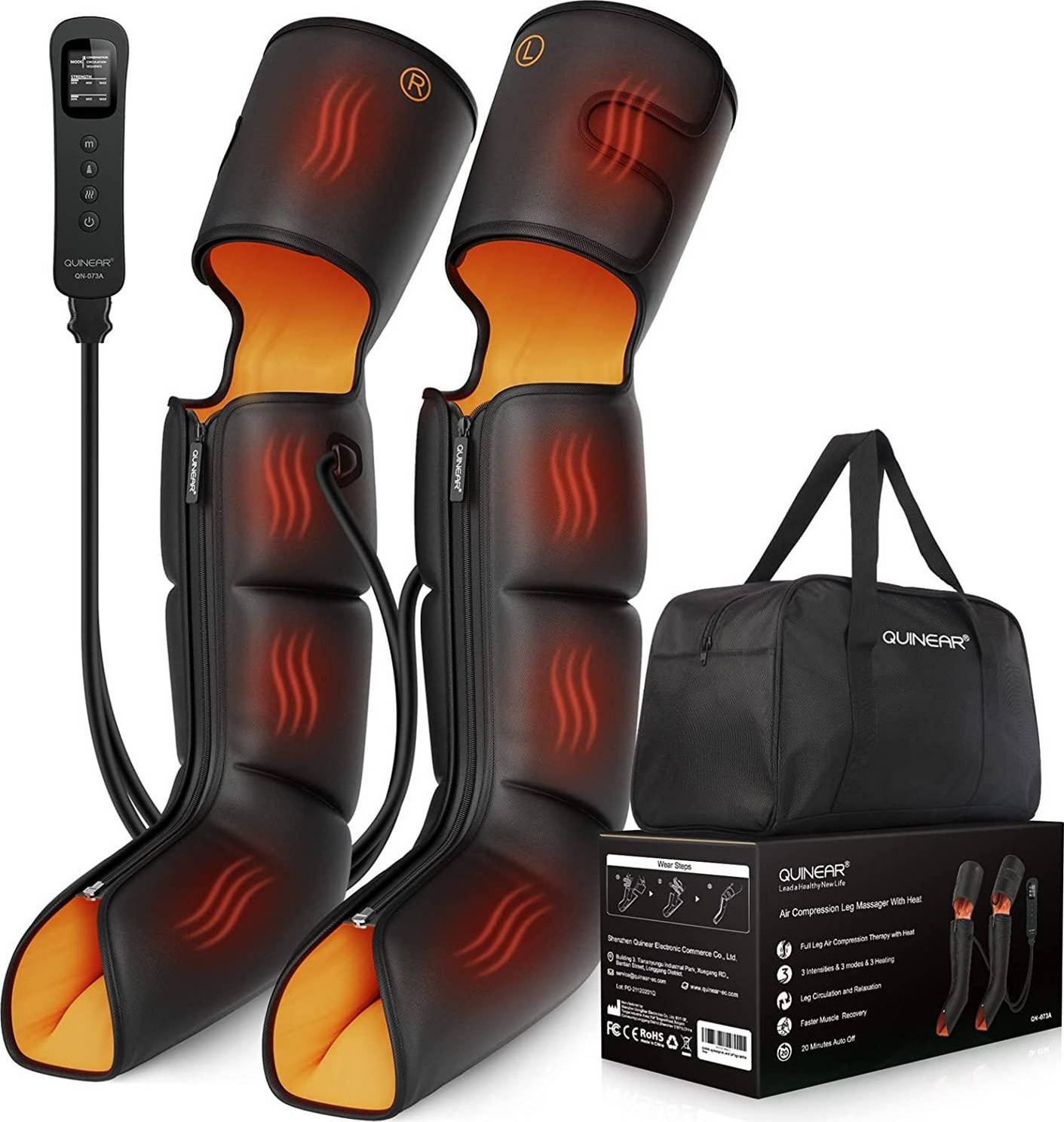
Finishing a run can leave your legs feeling ready for the couch, even when your training plan says tomorrow is another day. Compression boots offer an appealing way to relax after workouts: sit down, wrap up and let pressure cycles run. The research, however, is more nuanced than the dramatic claims in some advertisements. Here's a practical way to think about them alongside sleep, hydration, training load and appropriate rest.
What matters most
Choose products by the area covered, comfort, fit and practical setup. Start with gentle pressure, check the manual and avoid treating a consumer wellness device as a substitute for medical care. Retailer pricing and eligibility should be confirmed before purchasing.
What studies do and do not tell us
A 2024 systematic review and meta-analysis involving 17 studies and 319 participants suggested potential small improvements in some soreness outcomes, but physical performance findings were modest and variable. Another review found too little consistent evidence to conclude that compression boots outperform other recovery methods. That means a pleasant subjective sensation is a reasonable expectation, whereas a guaranteed faster race time is not.
How to fit a session around training
Start with a seated, comfortable position and read the manual for the selected model. A short session after your run can be a convenient moment to unwind, but there is no proven universal formula for timing and pressure. Avoid the temptation to choose the highest intensity. Keep the pressure comfortable and stop if you feel numbness, pain or anything unusual.
Research on exercise recovery using intermittent pneumatic compression reports variable results. Some studies suggest modest improvements in perceived soreness, but a definitive performance benefit has not been established. Read the 2024 systematic review for context.
Choose the hardware that matches your setup
Full-leg systems are particularly relevant if you want feet, calves and thighs covered together. A cordless system may be attractive for traveling to an event or using the device away from home. If you want warmth, compare the 3-in-1 heated model, but remember it may provide fewer intensity choices than the higher-adjustability boots.
Do not let the gadget replace the basics
Training adaptation depends on the broader routine, including enough energy, sleep, reasonable load progression and rehabilitation when necessary. A recovery boot cannot compensate for sharp increases in mileage or persistent injury symptoms. Treat it as an optional comfort tool. If soreness is severe, localized or recurring, an assessment by a clinician is more useful than increasing pressure.
Your pre-purchase checklist
Confirm the boot length and calf/thigh sizing, the actual number of pressure programs, whether a power outlet is needed and how easy the sleeves are to wipe down. Consider storage space in a small apartment or hotel room. Compare the final seller price and return terms in the United States before ordering, since online listings for similar-looking models may represent different generations.
A post-run routine that does not overpromise
After a run, allow breathing and heart rate to settle, change out of wet clothing and drink according to normal hydration needs. Once comfortable, follow the boot manufacturer’s setup and session guidance. Start gently rather than turning the pressure to the highest setting to “speed up” recovery. An at-home session can be relaxing, but scientific evidence for faster recovery is variable.
Track comfort without confusing it with performance
Make a simple note of comfort, whether the pressure feels even and whether the device fits. Avoid treating one good-feeling session as proof of increased blood flow or measurable muscle repair. If you experience new swelling, tingling or pain, end the session. Athletes with injuries or medical conditions need individualized guidance.
Prioritize normal cool-down
For compression boots after running: a practical recovery routine, treat this as a practical decision rather than a marketing checkbox. Start by identifying what the device manual actually says about prioritize normal cool-down. A photograph or marketplace headline rarely communicates the complete setup, included accessories, contraindications or sizing range. Document the details from the exact model you plan to buy. If the listing is ambiguous, verify it with the manufacturer before purchasing rather than relying on broad claims that apply to an entire product category.
Choose a comfortable seat
Apply choose a comfortable seat to your own schedule and physical space. Think about whether you can sit comfortably, reach the stop control without assistance, put on and remove the equipment safely, and keep cords or straps clear of obstacles. These mundane factors strongly influence satisfaction even when they are missing from a flashy product demonstration. When another user in your household may share the system, measure their fit independently and follow appropriate cleaning guidance.
Start with lower intensity
When reading retailer reviews about compression boots after running: a practical recovery routine, distinguish first-hand observations about packaging, fit, noise, durability and ease of use from claims of medical effects. A star score alone cannot tell you whether a buyer chose the same product size or configuration. Look at the date of the review, any disclosed incentive and whether the feedback concerns the exact model. Reviews should inform purchasing judgment, not substitute for product documentation or independent safety advice.
Avoid exaggerated benefits
For US shoppers, evaluating avoid exaggerated benefits also means checking the offer itself. Confirm the posted USD price, shipping charges and checkout tax, along with any return shipping responsibility and eligibility conditions. Preserve the complete receipt and delivery information after you order. A supplier's fee on a separate marketplace does not prove that your purchase is always a certain percentage less expensive. Trust clear and consistent terms over a dramatic sale graphic.
Keep training records separate
The safest place to begin is the official model-specific instruction manual. Different devices may apply sequential air pressure, mild heat or electrical pulses, and instructions from one category should not be transferred automatically to another. A mild and comfortable initial setting is more sensible than an intense first trial. Stop immediately if you experience pain, numbness or unusual skin changes, and seek medical advice if you have symptoms or a condition that affects safe device use.
Monitor how sleeves fit
If monitor how sleeves fit matters to you, compare at least two models in the same functional category. A thigh-length sleeve and a calf-only wrap cannot be fairly scored on identical coverage. A rechargeable unit may trade away simplicity for portability, while a wired device can be convenient when used in one chair. Put fit, controls, setup effort and real total cost in a short comparison. The model that best meets your needs is not automatically the most expensive model.
Plan pack and cleanup
After purchase, use plan pack and cleanup as a checkpoint. Confirm the unit in the box matches the exact model you ordered, keep the instructions, and inspect it for transit damage before use. Follow fabric cleaning, cable routing, storage and battery care requirements in the manual. If something is missing or the item cannot be used safely, contact the seller through the published support channel and follow the documented return process rather than improvising a repair.
Know when medical help is needed
Finally, put know when medical help is needed in perspective. At-home recovery equipment may feel comfortable during a seated break, but a consumer device should not be relied on to diagnose an illness, resolve unexplained swelling, prevent blood clots or guarantee athletic performance. The research on pneumatic compression and exercise recovery is mixed and effect sizes are often modest. If you have vascular disease, recent surgery, sudden symptoms or another relevant medical concern, a qualified clinician is a more appropriate source of personal advice than generic online marketing.
A useful US buyer's checklist
Before adding a compression boots for runners to your routine, answer the questions below. A well-fitted product with transparent retailer terms is often more useful than an impressive list of claims.
- What exact body area does the massager cover, and does the sizing chart fit?
- Are heat, cordless operation and program settings actually included in this configuration?
- Can you start on a comfortable low setting, reach the controls and clean the sleeves?
- Are there health conditions or symptoms that call for professional advice before use?
- Does the US checkout confirm the real price, discount, delivery time and return terms?
Frequently asked questions
How long should runners use compression boots?+
Follow the model manual and individual medical advice. Research protocols vary and do not establish a universal ideal.
Will they prevent injuries?+
No reliable evidence supports promising injury prevention from consumer compression boots.
Where can I compare QUINEAR models sold to US shoppers?+
Use the comparison page on this website to check coverage, modes, heat and power, then open Amazon US for actual purchase information.
Sources and reading notes
This educational article references published research and established clinical resources. Model descriptions are based on publicly available product information. This is not individualized medical advice.