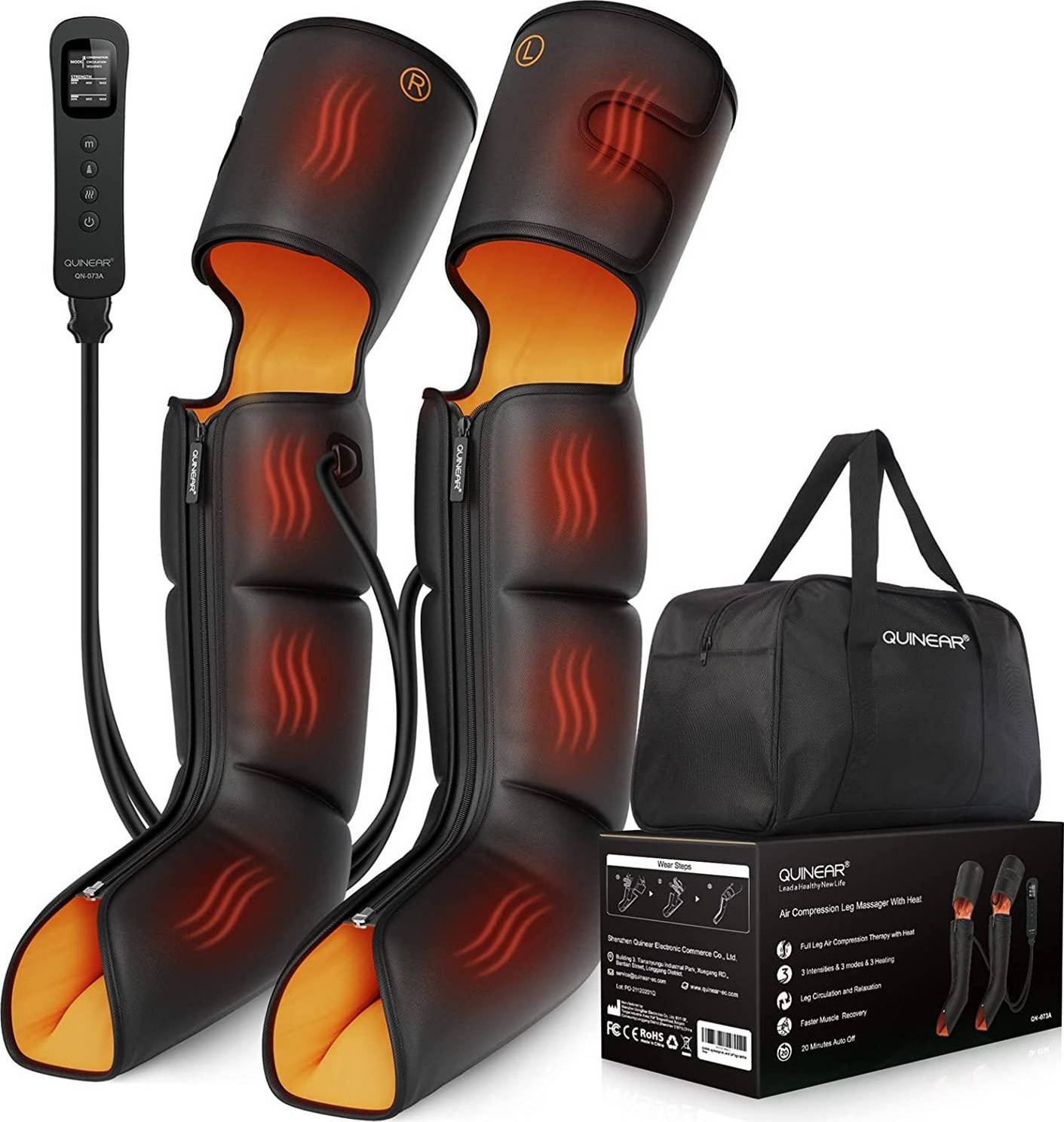
A search for the best leg massager returns devices that barely resemble one another. Some fit just the calves, some cover the entire leg, and others use electricity instead of inflatable sleeves. That makes a single “best” recommendation misleading. The right purchase starts with the exact area you want to cover, whether you like warmth, how often you will use the system, and how much setup you are willing to tolerate. This guide gives US shoppers a structured way to compare features rather than relying on star ratings or buzzwords.
What matters most
Choose products by the area covered, comfort, fit and practical setup. Start with gentle pressure, check the manual and avoid treating a consumer wellness device as a substitute for medical care. Retailer pricing and eligibility should be confirmed before purchasing.
Start with the coverage map
Full-leg compression boots wrap the foot, calf and thigh. They are more involved to put on, but offer coverage in a single session. A calf-only massager is less bulky and may be more convenient beside a couch or desk. A knee wrap concentrates on one joint. A TENS/EMS foot device is not an air-compression system at all. Decide what physical sensation and coverage you want before comparing prices, because specifications across these categories are not directly interchangeable.
Decide whether heat adds value
Some consumers prefer the sensation of mild warmth during their evening routine. A heated model can be appealing, but heat should not be treated as proof that a device delivers stronger compression or better medical outcomes. Compare where the heating elements are placed, how many settings exist and whether the unit can run compression without heat. A simple non-heated model may be a better choice if you want fewer controls or have concerns about temperature sensitivity.
Research on exercise recovery using intermittent pneumatic compression reports variable results. Some studies suggest modest improvements in perceived soreness, but a definitive performance benefit has not been established. Read the 2024 systematic review for context.
Inspect settings, sizing and return terms
Count the actual compression modes and intensity levels, then look for an easy-to-read controller. More settings are useful only if you can operate them comfortably. Check calf and thigh circumference measurements, sizing charts, cords, battery needs and auto shutoff. US shoppers should confirm the seller, warranty terms, delivery estimate and return policy on the final retailer checkout page. A headline discount should never override questions about fit and safe operation.
Think about the moment of use
A runner relaxing at home may choose a large sequential system with multiple chambers. Someone who wants a quick break after a shift may prefer heated foot-and-calf coverage. A frequent traveler might value rechargeable controls more than maximum coverage. Imagine exactly where you will sit, how you will store the sleeves and how many minutes you realistically want to commit. Convenience strongly affects whether an item becomes part of a repeatable routine.
Set expectations based on evidence
Compression boots can create a comfortable rhythmic squeeze, and some users report feeling less sore afterward. Research on exercise recovery remains mixed and effects are generally modest. A 2024 meta-analysis found small or variable benefits across some outcomes, not a guaranteed acceleration of recovery for everyone. Consumer products are not substitutes for individually prescribed medical compression. For concerns such as persistent swelling, sudden pain or suspected clots, seek medical advice rather than choosing a product by marketing claims.
Define best for the actual buyer
A buyer who wants portable calf sleeves may regard full-length boots as impractical; a runner seeking thigh coverage may regard calf-only products as incomplete. Write down the body area, heat preference, outlet access and storage constraints before browsing. Then compare like-for-like models using sizing measurements rather than brand prestige alone.
Calculate the real delivered US price
Compare item price, shipping, state sales tax where applicable, return shipping and any restocking terms. Verify the exact color or size variant and model code. A cross-marketplace discount is meaningful only when both offers are live for the same configuration. Favor a retailer with clear contact details and a documented remedy if the item arrives defective.
Choose a realistic price ceiling
For how to choose the best leg massager for your routine, treat this as a practical decision rather than a marketing checkbox. Start by identifying what the device manual actually says about choose a realistic price ceiling. A photograph or marketplace headline rarely communicates the complete setup, included accessories, contraindications or sizing range. Document the details from the exact model you plan to buy. If the listing is ambiguous, verify it with the manufacturer before purchasing rather than relying on broad claims that apply to an entire product category.
Compare body coverage zones
Apply compare body coverage zones to your own schedule and physical space. Think about whether you can sit comfortably, reach the stop control without assistance, put on and remove the equipment safely, and keep cords or straps clear of obstacles. These mundane factors strongly influence satisfaction even when they are missing from a flashy product demonstration. When another user in your household may share the system, measure their fit independently and follow appropriate cleaning guidance.
Check fit with a tape measure
When reading retailer reviews about how to choose the best leg massager for your routine, distinguish first-hand observations about packaging, fit, noise, durability and ease of use from claims of medical effects. A star score alone cannot tell you whether a buyer chose the same product size or configuration. Look at the date of the review, any disclosed incentive and whether the feedback concerns the exact model. Reviews should inform purchasing judgment, not substitute for product documentation or independent safety advice.
Rate control simplicity
For US shoppers, evaluating rate control simplicity also means checking the offer itself. Confirm the posted USD price, shipping charges and checkout tax, along with any return shipping responsibility and eligibility conditions. Preserve the complete receipt and delivery information after you order. A supplier's fee on a separate marketplace does not prove that your purchase is always a certain percentage less expensive. Trust clear and consistent terms over a dramatic sale graphic.
Consider storage and electricity
The safest place to begin is the official model-specific instruction manual. Different devices may apply sequential air pressure, mild heat or electrical pulses, and instructions from one category should not be transferred automatically to another. A mild and comfortable initial setting is more sensible than an intense first trial. Stop immediately if you experience pain, numbness or unusual skin changes, and seek medical advice if you have symptoms or a condition that affects safe device use.
Examine return and warranty details
If examine return and warranty details matters to you, compare at least two models in the same functional category. A thigh-length sleeve and a calf-only wrap cannot be fairly scored on identical coverage. A rechargeable unit may trade away simplicity for portability, while a wired device can be convenient when used in one chair. Put fit, controls, setup effort and real total cost in a short comparison. The model that best meets your needs is not automatically the most expensive model.
Evaluate reviews critically
After purchase, use evaluate reviews critically as a checkpoint. Confirm the unit in the box matches the exact model you ordered, keep the instructions, and inspect it for transit damage before use. Follow fabric cleaning, cable routing, storage and battery care requirements in the manual. If something is missing or the item cannot be used safely, contact the seller through the published support channel and follow the documented return process rather than improvising a repair.
Make an apples-to-apples shortlist
Finally, put make an apples-to-apples shortlist in perspective. At-home recovery equipment may feel comfortable during a seated break, but a consumer device should not be relied on to diagnose an illness, resolve unexplained swelling, prevent blood clots or guarantee athletic performance. The research on pneumatic compression and exercise recovery is mixed and effect sizes are often modest. If you have vascular disease, recent surgery, sudden symptoms or another relevant medical concern, a qualified clinician is a more appropriate source of personal advice than generic online marketing.
A useful US buyer's checklist
Before adding a best leg massager to your routine, answer the questions below. A well-fitted product with transparent retailer terms is often more useful than an impressive list of claims.
- What exact body area does the massager cover, and does the sizing chart fit?
- Are heat, cordless operation and program settings actually included in this configuration?
- Can you start on a comfortable low setting, reach the controls and clean the sleeves?
- Are there health conditions or symptoms that call for professional advice before use?
- Does the US checkout confirm the real price, discount, delivery time and return terms?
Frequently asked questions
Are more intensity levels always better?+
Not necessarily. Comfortable, easy-to-control pressure matters more than the highest available setting.
Can a calf massager replace full-length boots?+
It can suit a calf-focused routine, but it does not cover the thigh and often not the foot.
How do I confirm a US sale price?+
Open the retailer listing and verify the actual final amount before checkout.
Where can I compare QUINEAR models sold to US shoppers?+
Use the comparison page on this website to check coverage, modes, heat and power, then open Amazon US for actual purchase information.
Sources and reading notes
This educational article references published research and established clinical resources. Model descriptions are based on publicly available product information. This is not individualized medical advice.